F1GMAT · https://www.f1gmat.com/mba-photo-essay-caption-tips ·
 Add F1GMAT as a preferred source on Google, opens Google in a new tab
 See more of F1GMAT's MBA admissions research in Google's Top Stories by making us a preferred source on Google.
MBA Applicants share the photographs they enjoy looking at or the ones with the most likes for the Photo Essay; a wrong way to evaluate their unique life moments.
An MBA visual essay is asking you to submit photographs in place of your prose.
The goal is to measure your creativity in ways your prose can't express.
A picture truly speaks a thousand words or shares the unspoken truth about you when you carefully craft a visual story.
NYU Stern's Personal Expression essay, the Pick Six, wants six images with a one-sentence caption under each, and Chicago Booth wants one image and 300 characters on its significance [1].
MBA Photo Essays and Caption
The origin of the word 'image ', before it became mass-produced through photography, comes from 'Imitari' a Latin Word for 'to imitate'.
What you are sharing through the MBA application is an imitation of a real moment or the imagined version of a moment through careful posing and background setting. That is why when applicants reach out to me, I advise them to choose the photograph where you - the subject were 'unaware' of the moment captured.
There is a certain honesty in that moment that none of the 'posing' would generate.
While the written words are edited and refined to the last word and to the last comma, the 'image' or the 'imitation of a real moment' is your chance to show an authenticity that forces the Adcom to connect with you as a human.
How does a person connect with an Image?
Contents
The Accidental Detail
In Camera Lucida (1980)[2], Barthes shares two attention paths.
One, a genuine cultural novelty, and second, punctum, an accidental detail that pierces the viewer and holds him.
When you choose an image, look at the edges and background of the photo.
Is there an isolated artifact that takes the attention away from you - the subject?
If there is, don't choose it.
Unlike the accidental exploration of photography, in an MBA application, you are trying to put the entire focus on you, the protagonist.
Even a sidelined artifact can derail the AdCom's thought process to their childhood toy or a memory of playing in the park.
It is good to let the AdCom move away from the role of a reviewer to a human interested in your story, but not at the expense of getting distracted.
But then there are the real accidental details.
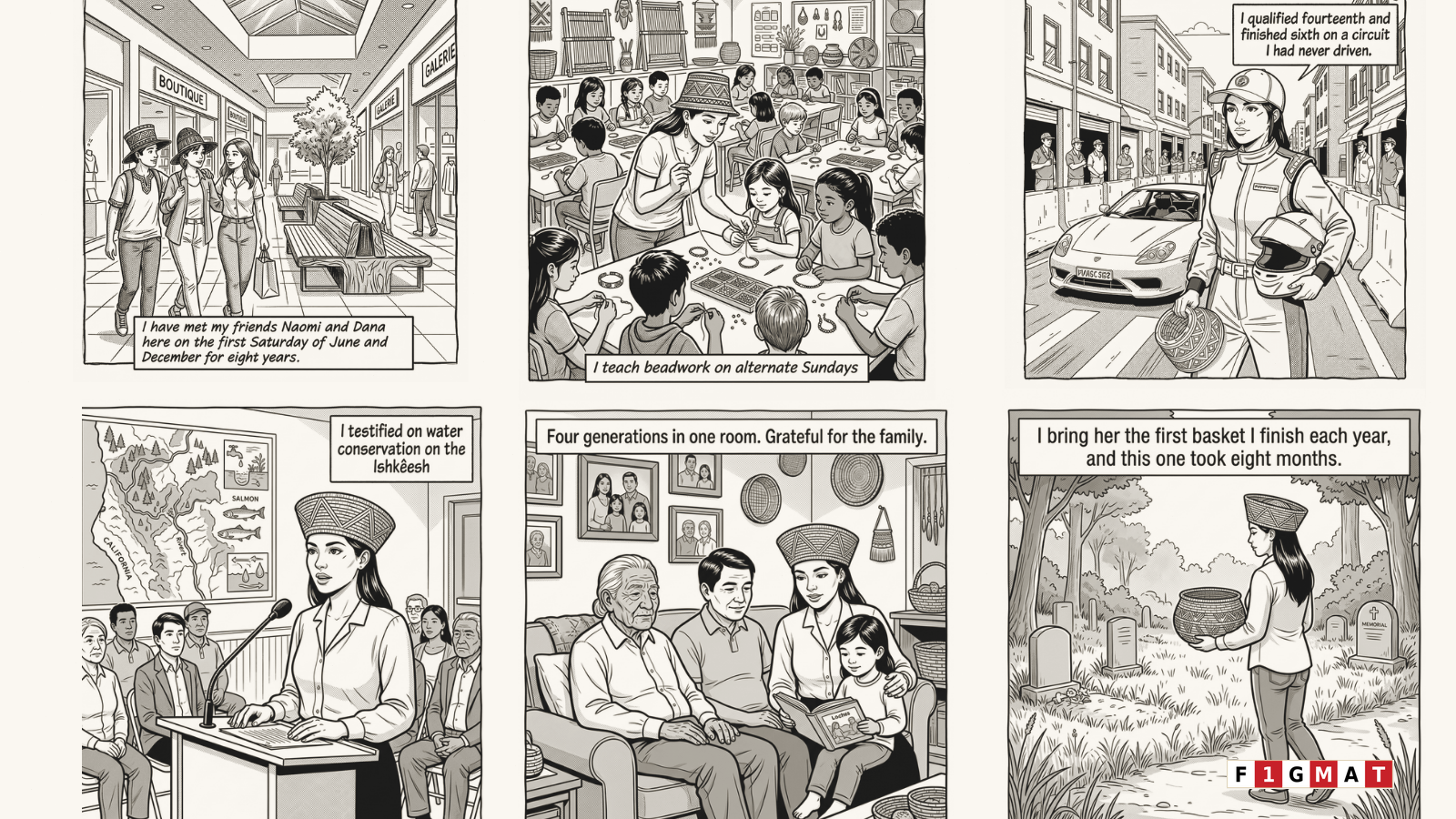
An applicant - a white female shared an image of herself with a Basketry cap, worn by Hupa, Yurok, and Karuk women of northwestern California, in an urban setting.
Each image takes the viewer on an exploratory path towards her roots.
It is a slow reveal ending with a remembrance ceremony for her ancestor.
Unique Cultural Experience
One applicant shared the image of a remote community in India, dancing to the songs of a local folklore, dressed in bright red, with a face mask.
The applicant was visible at the edge of the frame, mesmerized.
The photo was candid, showing the applicant's 'curious' gaze at the miracle of time travel through another culture.
He didn't have to write a vivid or catchy Caption to show why he cared. The image was the answer.
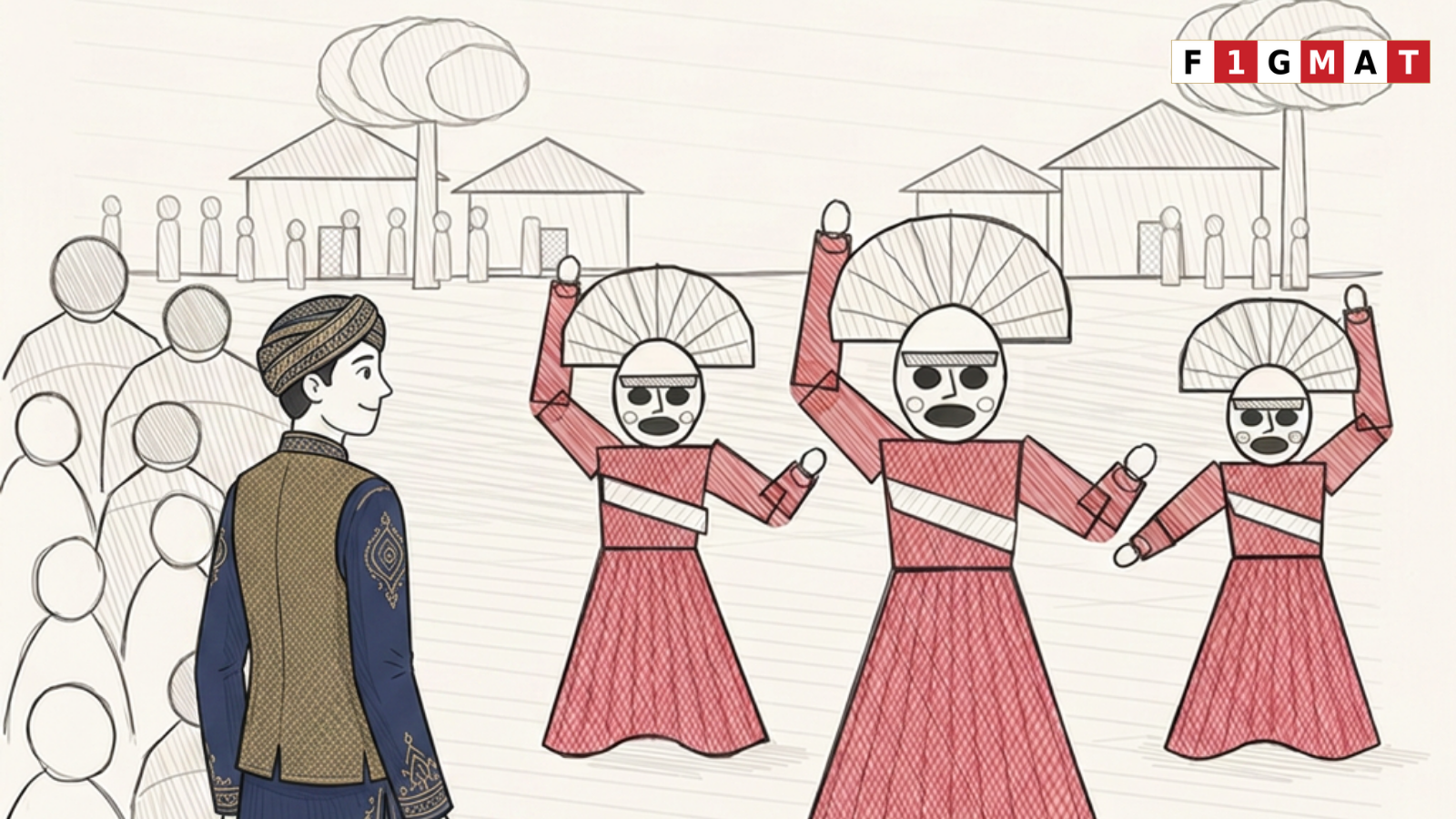
Image or Caption or Both
Berger, in Ways of Seeing (1972)[3], defines the photograph as the photographer's decision that this sight deserved preserving.
Why it needs preserving is the answer that you should offer through the Caption.
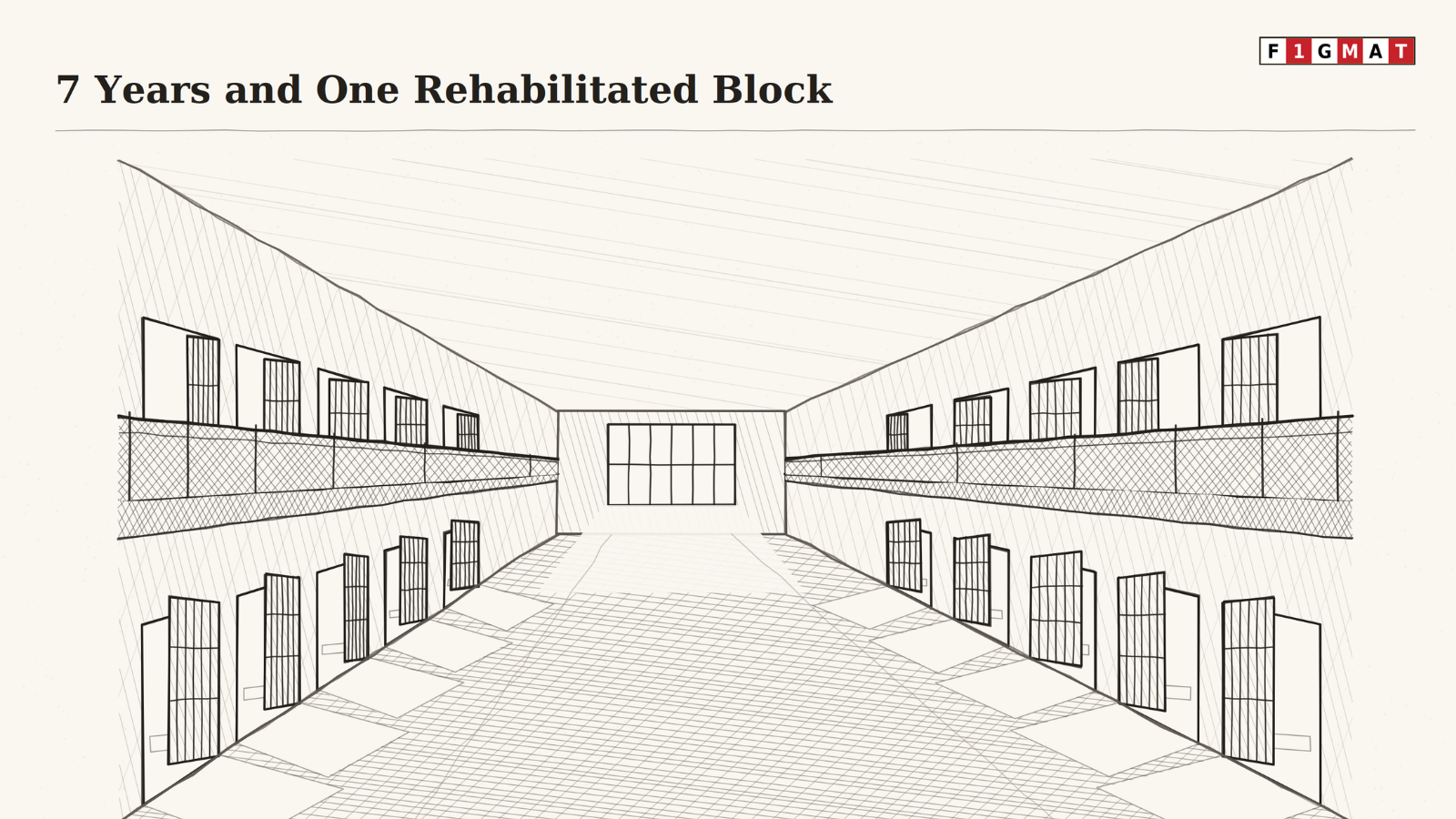
An empty prison cell block was an image an applicant shared in her Stern pick six.
Her work in reforming the prison system is what she was expressing through the empty prison cell.
Her Caption said, "7 years of fighting and one block of rehabilitated inmates"
There were no images of inmates.
They were in the real world, rehabilitated into society, in jobs and as citizens.
The empty cells were the symbol of her 'work'
When Captions Matter
Then there are settings where the Caption is everything.
One applicant shared an image of him dozing off at a study table in front of open books, his arms barely holding his head up.
His mouth is slightly opened.
The photo was taken by a friend the night before the finals.
He didn't write great lines about his 'persistence' or 'hard work '. But wrote something simple.
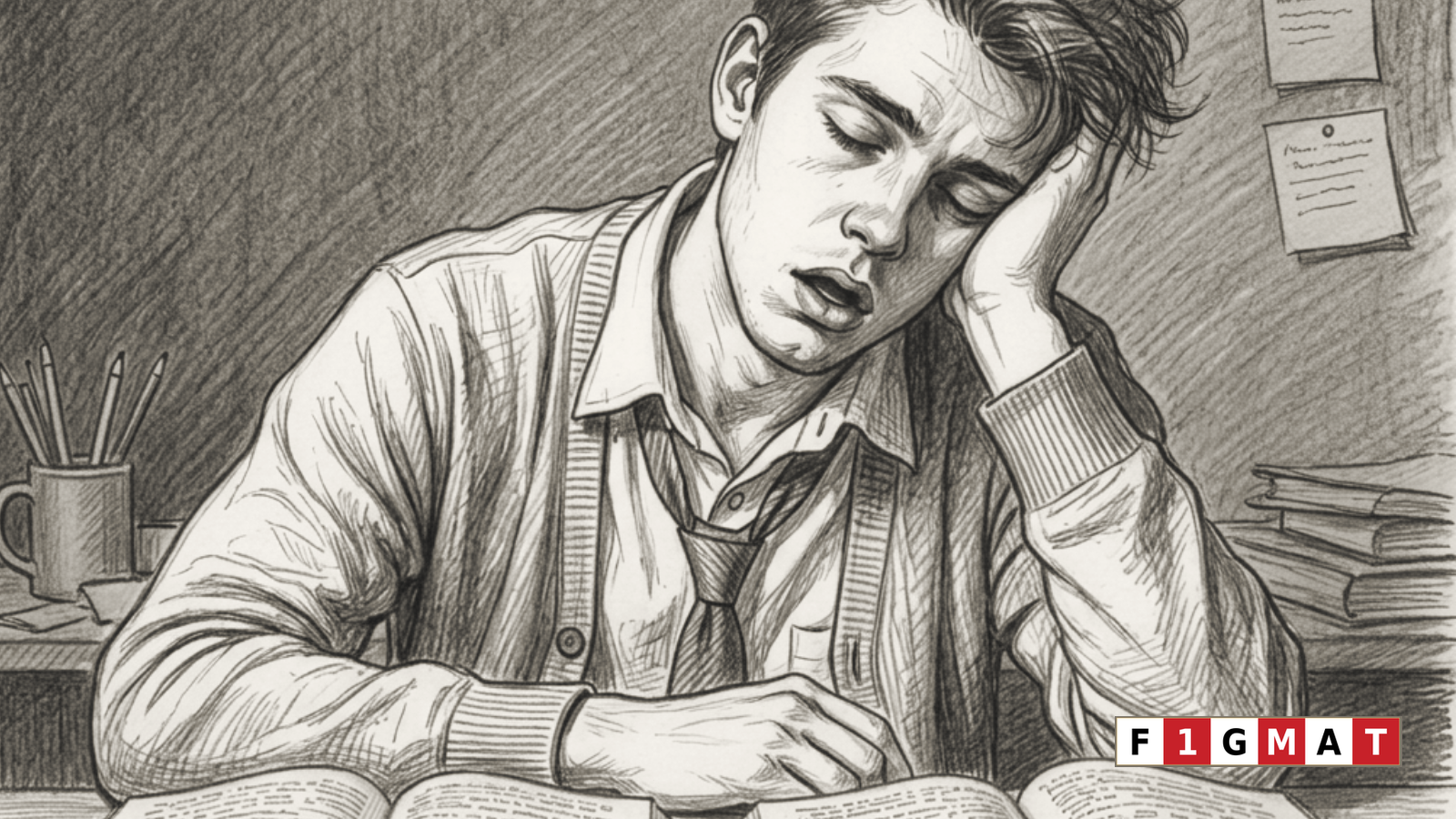
'Always nervous before the big test'.
The second image was him checking his flight checklist for the 3rd time - three tick marks can be seen on the photo beside each checkpoint.
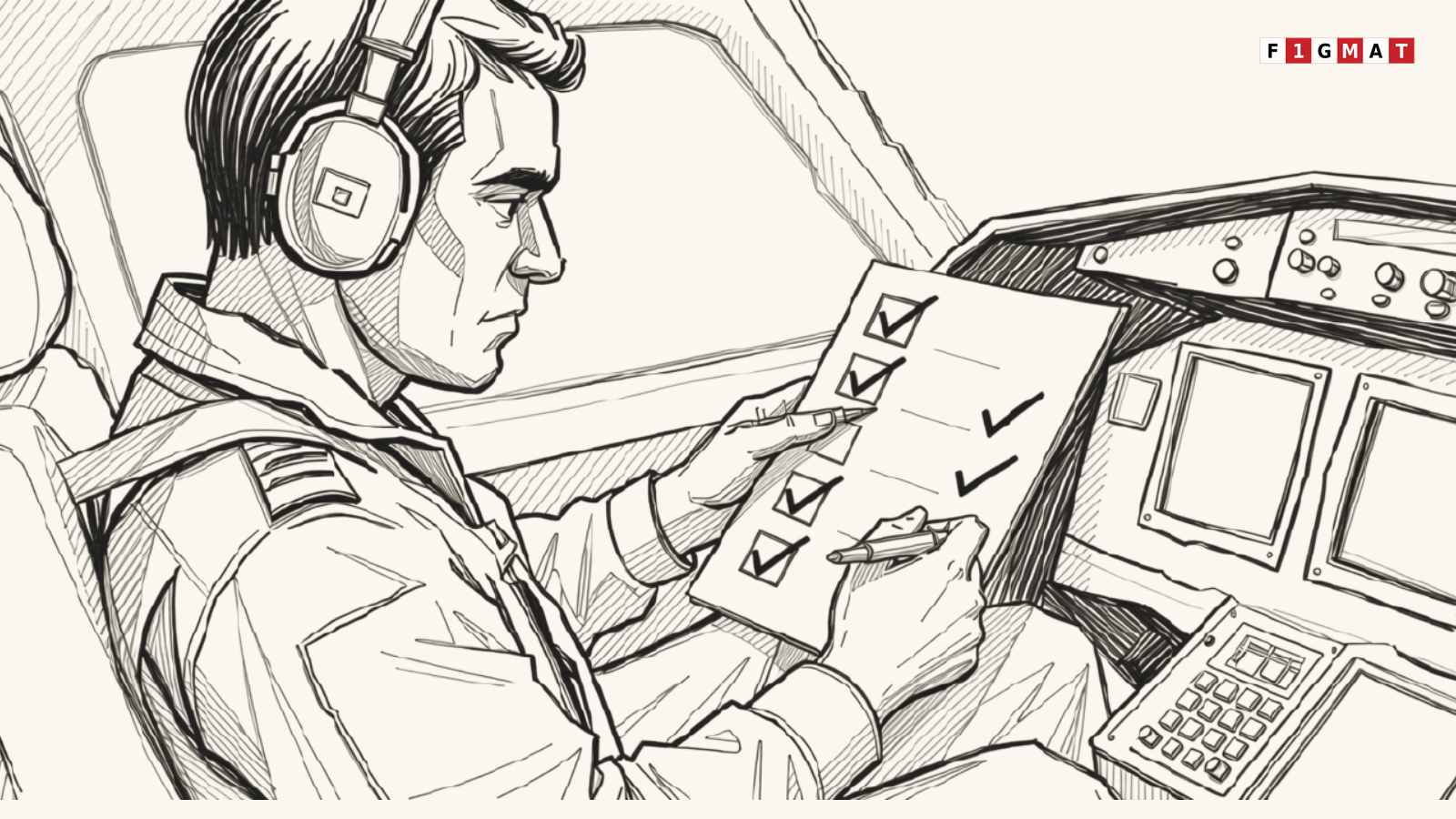
'Better safe than sorry on my first solo flight'
The Surprise Sixth Image
All 5 images in NYU stern builds up a cautionary image, but the sixth image is him 'holding' his son on his shoulder with a big smile.
'This I was certain'
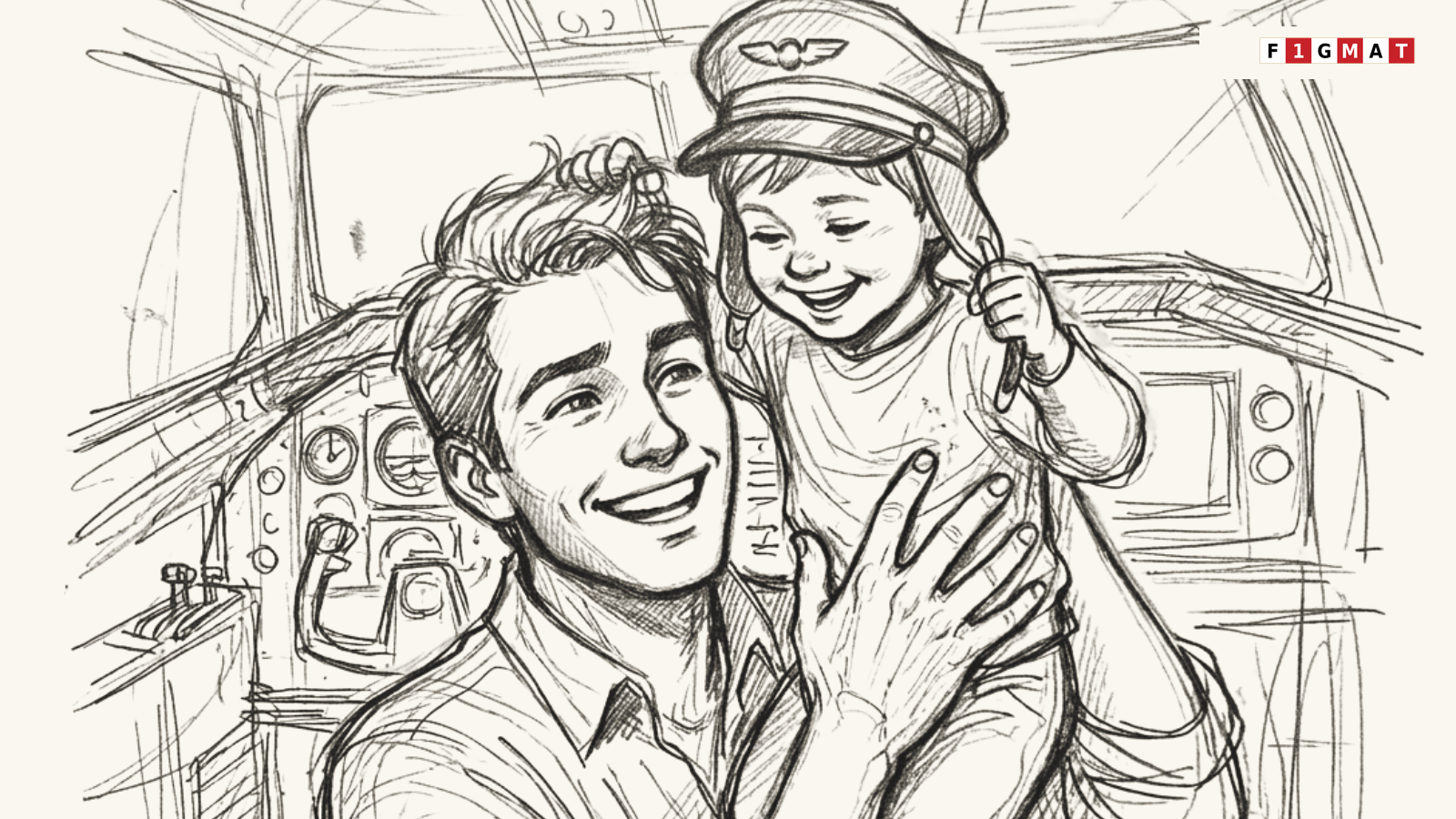
Nothing he had to write to show that here there is a family man.
When Image Matters
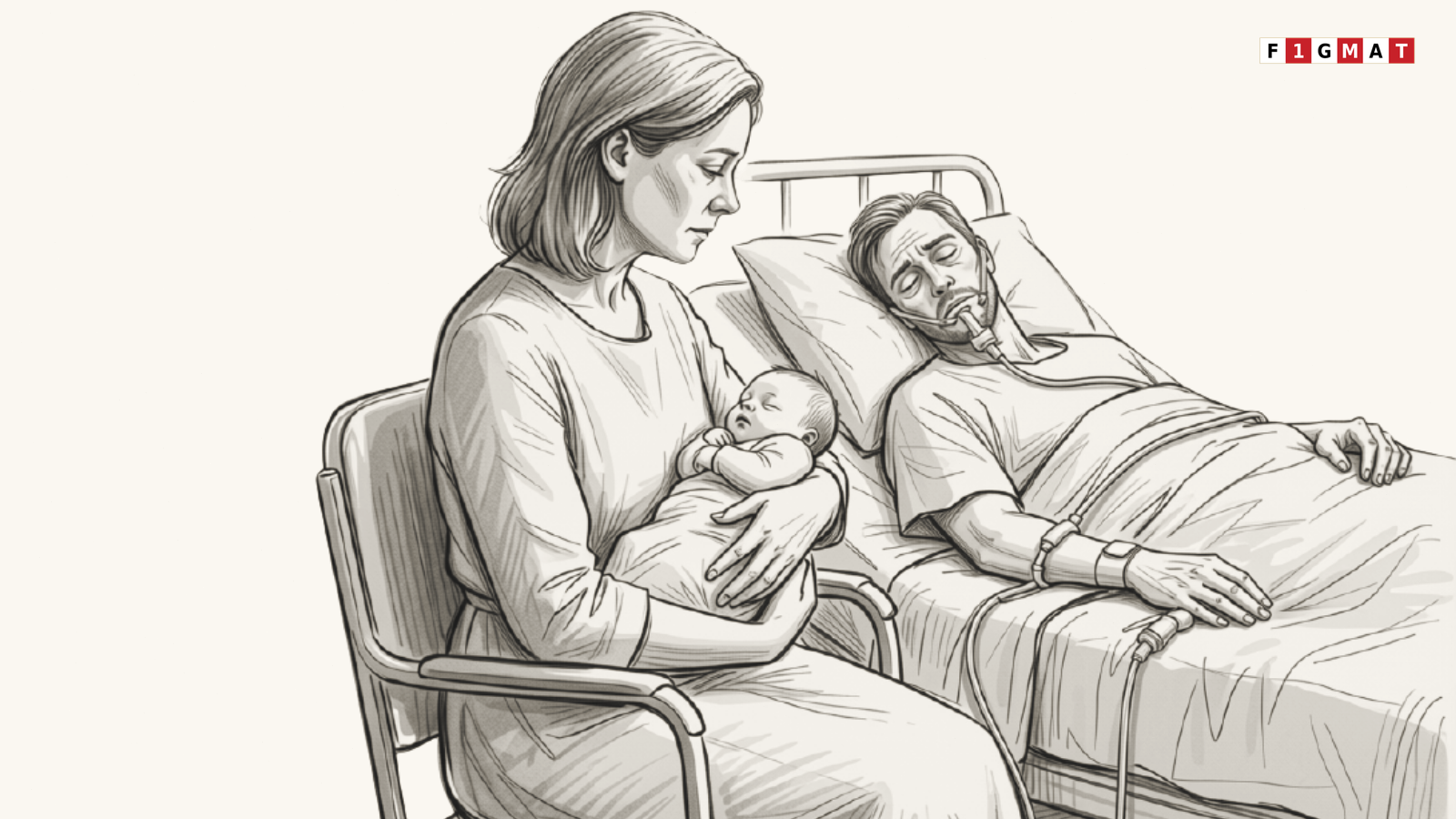
Jahi Chikwendiu of The Washington Post won Feature Photography in 2026 for a photo essay[4] on a young family welcoming the birth of their first child as the father was dying of cancer.
I didn't have to read any of the captions.
It was just the sequence of two lives entering two different phases - one towards death and one towards life.
Stuck in the middle of the journey was the wife.
The Real Protagonist
Even though Jahi might have chosen the father suffering from cancer as the protagonist to show his reconciliation with the 'sadness' of not being around the baby, I saw the wife as the protagonist, watching two of her loved ones passing through time to two decisive ends.
One to the end of life.
Another to a life without a father.
Her dilemma was the viewer's dilemma.
The photo resonated most with me because I, the viewer, felt for the protagonist.
You should know your audience - what they will connect with the most in a story.
When Growth Story Takes Attention Away from the Protagonist
An applicant chose his journey from a poor village to MIT through the pick six.
Each image shows the weariness and sheer hard work aging the parents in each frame.
The first image was a young couple with the applicant as a kid, surrounded by visible poverty.
The last image shows the parent in a fancy suit, in the graduation ceremony with the son; their smiles leaving a crow feet in the close-up photo.
The wrinkles on the face were the 'Accidental Detail' that captured the sacrifice.
Although the images were moving, the Pick Six accidentally showed the parents as the protagonist.
I advised against using the last image with the parent’s in suits.
It was a great story but the applicant was overshadowed by his parents.
Checklist for choosing photographs in an MBA application Essay
1. Is the protagonist present?
a) Does a human being appear in the frame at all?
A photograph of an object alone (a medal, a cockpit, a finished building) tells the reader what you produced. Use it sparsely to show your greatest achievement or work.
b) Is your face visible, lit, and turned toward the camera or toward the action?
An admissions person spends just seconds per image and they will not hunt for you through a crowd.
c) Would a stranger, given the whole set, recognize you as the same person in every photograph?
An inconsistent angle or heavy shadow where you are not visible, force the reader to re-identify you each time. Unlike the patience of a photo enthusiast, the admissions person is doing a job. The lesser the cognitive load, the better the processing fluency. The better the processing fluency the more you will would be liked. The higher the likeability, the higher the chance of admissions.
2. The isolated-artifact test
Ask what your own eye goes to first when the image is shown.
If the answer is an object, a monument, or a piece of equipment, the photograph belongs in a travel album.
Even the example of an applicant at the edge of the frame we shared earlier, catches the attention of the AdCom because of an interesting color editing.
Is the object in the frame larger, brighter, or more centered than you are?
Adjust Scale and contrast before finalizing the image.
Does the object need an explanation before the photograph makes sense?
Anything that needs more than a one-line caption is competing with you for the reader's attention.
Is the object a famous landmark?
The Taj Mahal, Machu Picchu, and the Eiffel Tower describe the location and say almost nothing about the applicant standing in front of them.
Is there a corporate logo, or a university crest dominating the frame?
The institution or brand then becomes the subject.
3. Other people in the frame
In a group shot, are you the visual center through position, gesture, or eye contact from others?
A photograph where you stand at the edge, like the one we cited, should have clear color adjustment to stand out.
Is anyone else in the frame more visually striking than you?
A child in a bright shirt, a costumed performer, or a public figure will take the eye away from you all the time.
Don't choose celebrity citing in the Pick Six unless that was the most impactful collaboration in your experience.
4. Action and readability
Can the reader state what you were doing in a single clause?
Does your expression match the action?
Is the background clean enough that it supports the action without adding a second story?
Cluttered rooms or backgrounds increase the effort to understand the image.
5. The Collection as a Whole
Across the full image collection, does each photograph show a different role, relationship, or period of your life?
Does at least one image show you outside professional settings, and at least one show you leading or teaching or volunteering for others in the community?
Does any photograph duplicate a bullet the résumé already states? Don't waste the image on an achievement that is obvious.
Do the captions state your role, the year, and the outcome, without describing the scenery?
6. Technical checks
Is the resolution sufficient, with your face still sharp after the template crops the image (for images from full frame camera)?
Test the crop in the actual slide, not how it looked in a big screen with a default photo viewer.
Have you stripped all EXIF and embedded metadata?
Location coordinates, camera serial numbers, and editing histories should not be included with an MBA application.
7. The final subtraction test
Now imagine a scenario - remove yourself from the photograph.
Does the image still work as a story?