In this in-depth analysis of ESCP Master’s in Finance Motivation Letter tips, we cover:
• Overview
• Mission, Goals and Values
• Ideal Candidates
• What to highlight
• Motivation Letter Tips
Overview
The ESCP Master’s in Finance program is an intensive, specialized training aimed at preparing students for high-level careers in Corporate & Investment Banking or Financial Markets. Over a period of 30 weeks, students split their time between the Paris and London campuses, immersing themselves in a robust curriculum that includes sales, equity research, hedge funds, M&A, and private equity, among other areas.
The program balances academic rigor with practical exposure, ensuring graduates are equipped for roles in investment banking and financial markets. Students also undertake a four-month professional internship and complete a thesis, rounding out their education with hands-on industry experience.
ESCP Master's in Finance Program: Mission, Goals & Values
Mission: “Rooted in its European history and identity, ESCP inspires and educates purpose-driven leaders who will positively impact the world.”
This mission highlights ESCP’s commitment to nurturing leaders who not only excel in finance but also contribute positively to society. The Master’s in Finance program aligns with this by fostering an environment of diversity and open-mindedness, drawing students from various academic backgrounds, including engineering, law, and the humanities. The program’s global track, conducted in English, reinforces ESCP’s vision of multiculturalism, preparing students for leadership in an interconnected world.
Goals: The goal of the program is to deliver "short and intense training that provides immediate access to positions of responsibility within the Financial Industry." By merging academic knowledge with professional practices, students are prepared for roles in Investment Banking and Financial Markets, covering a wide range of sectors like M&A, Private Equity, and Credit Research.
Values: The strategy of the ESCP Master’s in Finance program is rooted in four key pillars that reflect the institution's commitment to developing future finance professionals who possess not only technical expertise but also the vision to lead in a rapidly evolving financial world.
1. Expertise: Focused on training through both academic and industry exposure, students gain immediate access to high-responsibility roles.
2. Sustainability: Emphasizing ethical and sustainable financial practices.
3. Community: Building a diverse, supportive environment where collaboration is key.
4. Innovation: Integrating cutting-edge financial technologies to prepare students for the future of finance.
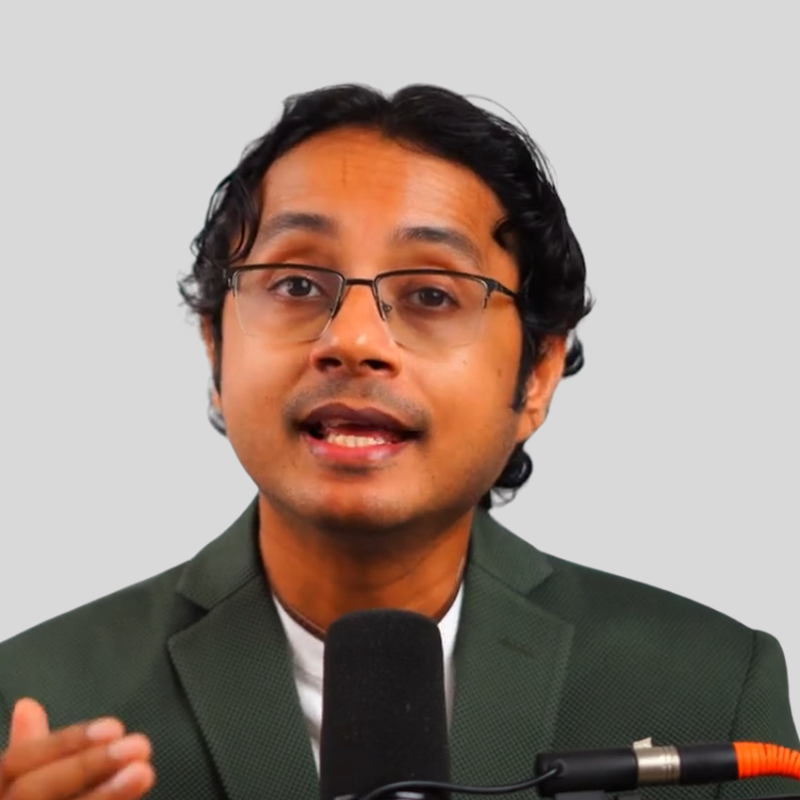 ESCP Master's In Finance Essay Editing - Work with Atul Jose (Founding Consultant and Essay Specialist)
With the word limit typically in the 250 to 500 range, it is not easy to structure the essay without losing momentum.
As F1GMAT’s Lead Consultant and Essay Specialist, I will help you structure the essay/SOP by:
1) Personal Branding
I will help you find unique life experiences that would differentiate you from the highly competitive ESCP Master's in Finance application pool.
2) Storytelling
I have developed a keen sense of storytelling from over a decade and a half of editing essays and writing essay examples for F1GMAT’s Essay Guides.
The skills that a writer/editor brings to the table are different from what a former admissions officer or a consultant who has limited writing skills brings
Review Skills # Writing Skills
Movie Critics # Movie Directors
It is easy to comment, but it is tough to structure the essay from the perspective of the applicant and turn the essay into a winning application essay.
3) Aligning with the Culture of the School
A big part of editing and guiding applicants is in educating them about the culture of the school
Some schools have very ‘specific’ traits that they are looking for in an applicant.
If you don’t highlight them and lean towards general leadership or cultural narratives, the essay won’t work.
I will guide you through the writing process.
I will also iteratively edit the essays without losing your original voice.
Email me, Atul Jose, at [email protected] and start the collaboration
Ideal Candidates for the Program
The ESCP Master’s in Finance program seeks candidates who are not only academically capable but also globally minded and driven by a passion for finance. The ideal candidate would exhibit the following traits:
• Strong academic foundation: Candidates typically come from various fields like engineering, law, and social sciences, but all must have a strong academic track record.
• International exposure: Given the program’s focus on global finance, students with experience living, studying, or working internationally are well-suited for the program. The ability to adapt to multicultural environments is a key asset.
• Passion for finance: Previous experience in finance, whether through internships or academic projects, is crucial. Candidates should demonstrate a clear career interest in areas like investment banking, equity research, or asset management.
• Multilingual capabilities: Proficiency in multiple languages, particularly English and French, is highly valued, as the program operates in both languages.
• Leadership and teamwork skills: The program emphasizes group work and collaboration in diverse settings, making leadership experience and the ability to work in teams essential qualities.
What to Highlight in Your Motivation Letter
When writing your motivation letter for the ESCP Master’s in Finance program, it’s important to align your experiences and aspirations with the program’s mission, goals, and values. Here are key aspects to highlight:
• Global mindset: Emphasize your international experiences—whether academic or professional—and how they have shaped your understanding of global financial markets. For instance, if you’ve worked in diverse cultural settings or pursued international internships, describe how these experiences have prepared you for the program’s global scope.
• Passion for finance: Demonstrate a clear commitment to the financial sector. Mention specific experiences like internships in investment banking, research projects on financial markets, or any roles that developed your financial acumen. For example, if you’ve worked as an analyst or assisted in mergers and acquisitions, showcase how this has reinforced your desire to specialize in finance.
• Multicultural adaptability: With the program’s multicultural and diverse student body, it’s essential to showcase your ability to thrive in such environments. Highlight any experiences working in or leading diverse teams and explain how you plan to contribute to ESCP’s collaborative and open-minded community.
• Alignment with ESCP’s mission: Reflect on how your career goals align with ESCP’s mission to educate purpose-driven leaders. Mention how you plan to use the knowledge and skills gained from the program to make a positive impact in the financial world, not just in terms of professional success but also in contributing to ethical and sustainable practices in finance.
• Leadership potential: The program values students who demonstrate leadership capabilities. If you’ve led teams or spearheaded projects in your academic or professional life, mention these achievements and how they’ve prepared you for leadership roles in finance.
By focusing on these qualities and providing concrete examples from your own experiences, your motivation letter will showcase how well you align with the ESCP Master’s in Finance program and its values, setting you apart as an ideal candidate.
Motivation Letter Tips
How to Approach
Focus on Why You Are Applying to This Course
Your motivation letter should begin by explaining why you are specifically interested in ESCP’s Master in Finance. Avoid general reasons like “I have always been interested in finance,” and instead delve deeper into what makes the program stand out to you. Highlight how the program aligns with your professional goals and long-term aspirations.
For example, ESCP's dual-campus model (Paris and London) and the opportunity to gain expertise in Corporate & Investment Banking or Financial Markets are unique advantages that show a well-rounded understanding of global finance. Mention that the program’s structure—15 weeks each in Paris and London—gives you hands-on exposure to two of Europe’s largest financial hubs.
Example: Noam Lizeray-Lascar, who is currently pursuing her Master's in Finance at ESCP, may have highlighted her interest in sustainable finance as a reason for choosing this course. With her experience at Societe Generale in Positive Impact Finance, she could point out how the program’s focus on innovation and global banking would help her enhance her career in sustainable finance.
Showcase the Skills and Experiences You Bring to the Course
Rather than listing your experiences, highlight the skills you’ve developed from them and how these skills make you a strong candidate for the program. Emphasize critical financial skills such as quantitative analysis, risk management, or your ability to work in multicultural teams. For example, if you have experience in bond syndication, equity research, or financial auditing, discuss how those experiences will enable you to succeed in ESCP's demanding curriculum. Furthermore, ESCP values multicultural perspectives, so make sure to reflect on how your diverse experiences and background contribute to class discussions and group work.
Example: Noam’s background in Debt Capital Markets at Deutsche Bank, where she worked on Green & Sustainable Bond Syndicate projects, would give her a competitive edge. Her exposure to sustainable finance at Natixis also brings a unique perspective, aligning well with ESCP’s mission to train leaders who make a positive impact on business and society.
Explain How This Course Will Help You Achieve Your Career Goals
Clearly articulate how the Master in Finance will bridge the gap between where you are and where you want to be in your career. Whether your aim is to work in M&A, private equity, or financial markets, relate the course’s specific modules, such as the Corporate Investment Banking track or Financial Markets track, to your career ambitions. ESCP’s hands-on approach, including mandatory internships and thesis projects, ensures that students are prepared for high-level roles in the financial industry.
Discuss how this experiential learning will help you grow professionally.
Example: Noam, with her goal of furthering her career in Debt Capital Markets and sustainable finance, might have focused on the fact that the program provides rigorous training in investment banking and the opportunity to intern with top-tier institutions in Paris and London. This would allow her to gain practical experience and expand her network within Europe’s financial sector.
Why ESCP Business School?
Research specific elements of ESCP that resonate with you. The school’s global reach through its six campuses, its commitment to sustainability, or its strong alumni network (80,000 alumni worldwide) can be compelling reasons to choose the school. The multidisciplinary approach and opportunities for international exposure could also be motivating factors for selecting ESCP. Make sure you connect these attributes to your personal and professional development.
Example: Noam might have chosen ESCP because of its focus on sustainability, as demonstrated by her previous internships in Green & Sustainable Finance. She could also mention how the chance to study at both the Paris and London campuses provides the ideal platform for growing her professional network within European finance.
Connect to What Inspires You: Reading, Research, and Activities
Go beyond professional motivations and explain what genuinely inspires you in the world of finance. Whether it’s your interest in macroeconomic trends, financial regulations, or sustainable finance, sharing your intellectual curiosity can set you apart.
Demonstrating that you engage in independent learning and research, like reading reports from financial regulators or following trends in ESG investing, shows that you are proactive and passionate about your field. Additionally, you could reference any extracurricular activities, like finance clubs or investment competitions, that reflect your enthusiasm.
Example: Noam’s involvement in her organization, “A Meal for a Smile,” where she worked on poverty alleviation, shows her commitment to using finance for social good. She could tie this back to her interest in sustainable finance, making it clear that she’s not only driven by professional growth but also by a desire to contribute positively to society. This aligns perfectly with ESCP’s mission of educating “purpose-driven leaders who will positively impact the world.”
Summarize Your Long-term Career Aspirations
The closing section of your letter should be a clear and concise statement of where you see yourself in the future, particularly how ESCP’s Master in Finance will help you reach that destination. Whether you plan to work in investment banking, financial markets, or corporate finance, articulate how the knowledge, skills, and experiences gained at ESCP will equip you for leadership roles in your chosen field. Mention the support network—alumni, internships, and professional thesis—that you will leverage to launch your career.
Example: Noam’s long-term goal might be to become a leader in Green and Sustainable Finance within Debt Capital Markets. She could conclude her letter by stating how ESCP’s commitment to sustainability and innovation will provide the foundation for her to lead impactful financial projects, echoing ESCP’s vision of creating leaders who make a positive societal impact.
By focusing on five areas, you will create a motivation letter that not only reflects your professional background but also your genuine interest in the ESCP Master in Finance Program and your readiness to contribute to the community.
Reference
ESCP Master's In Finance - Work with Atul Jose (Founding Consultant and Essay Specialist)
With the word limit typically in the 250 to 500 range, it is not easy to structure the essay without losing momentum.
As F1GMAT’s Lead Consultant and Essay Specialist, I will help you structure the essay/SOP.
Email me, Atul Jose, at [email protected] and start the collaboration