Chicago Booth's image essay requires one photograph and asks you to explain what it means to you in 300 characters (roughly 40 to 80 words with spaces). The right image reveals a slice-of-life moment that your résumé or goals answer cannot capture. Here, the caption is everything. This F1GMAT overview - a preview from F1GMAT's Chicago Booth MBA Essay Guide shares ten theme ideas, from family and the passage of time to recovery, discipline, and the future of work, each with a captioning method.
Contents
Chicago Booth MBA Essay Prompt: Upload an image and explain its significance to you (300 characters) (40-80 Words) (With spaces)
Family and Tradition
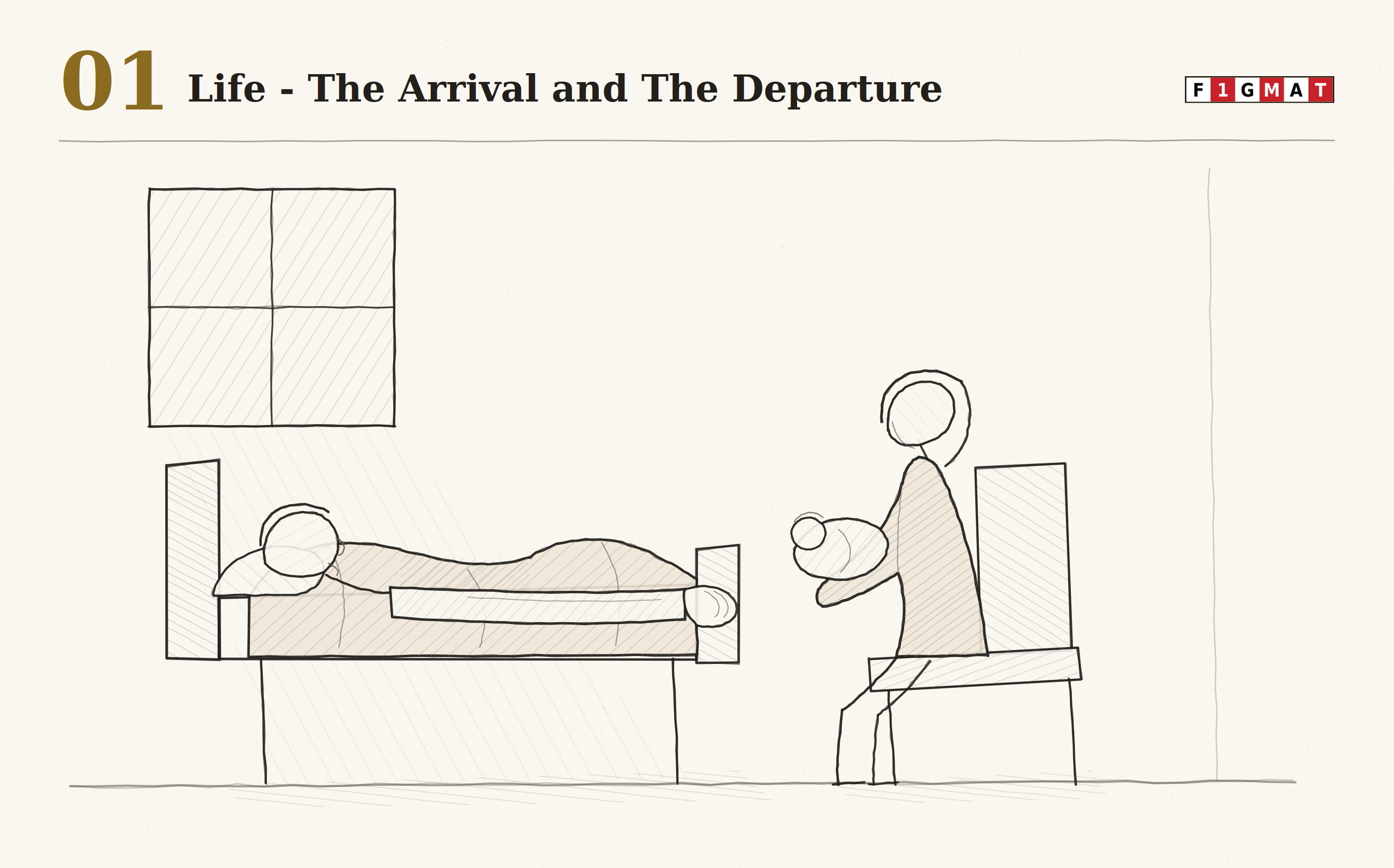
Jahi Chikwendiu of The Washington Post won Feature Photography in 2026[1] for an essay on a young family welcoming the birth of their first child as the father was dying of cancer.
Theme – Passing of Time
Two events can be presented in a single image if the main protagonist – you are in the intersection of these supporting characters.
Depth Staging – For the Less Dramatic
While all of us can’t be Jahi to frame such beautiful and haunting images of time marching on, we can use depth staging to create powerful narratives of the passing of time through immigrant grandparents, an immigrant parent, an object in the background or foreground or a costume that highlights the story, or the identity of a generation, or an object – a gift, a painting that summarizes your family’s journey.
Read three examples of Depth Staging with Captions (From F1GMAT's Booth MBA Essay Guide)
Absence as a Story
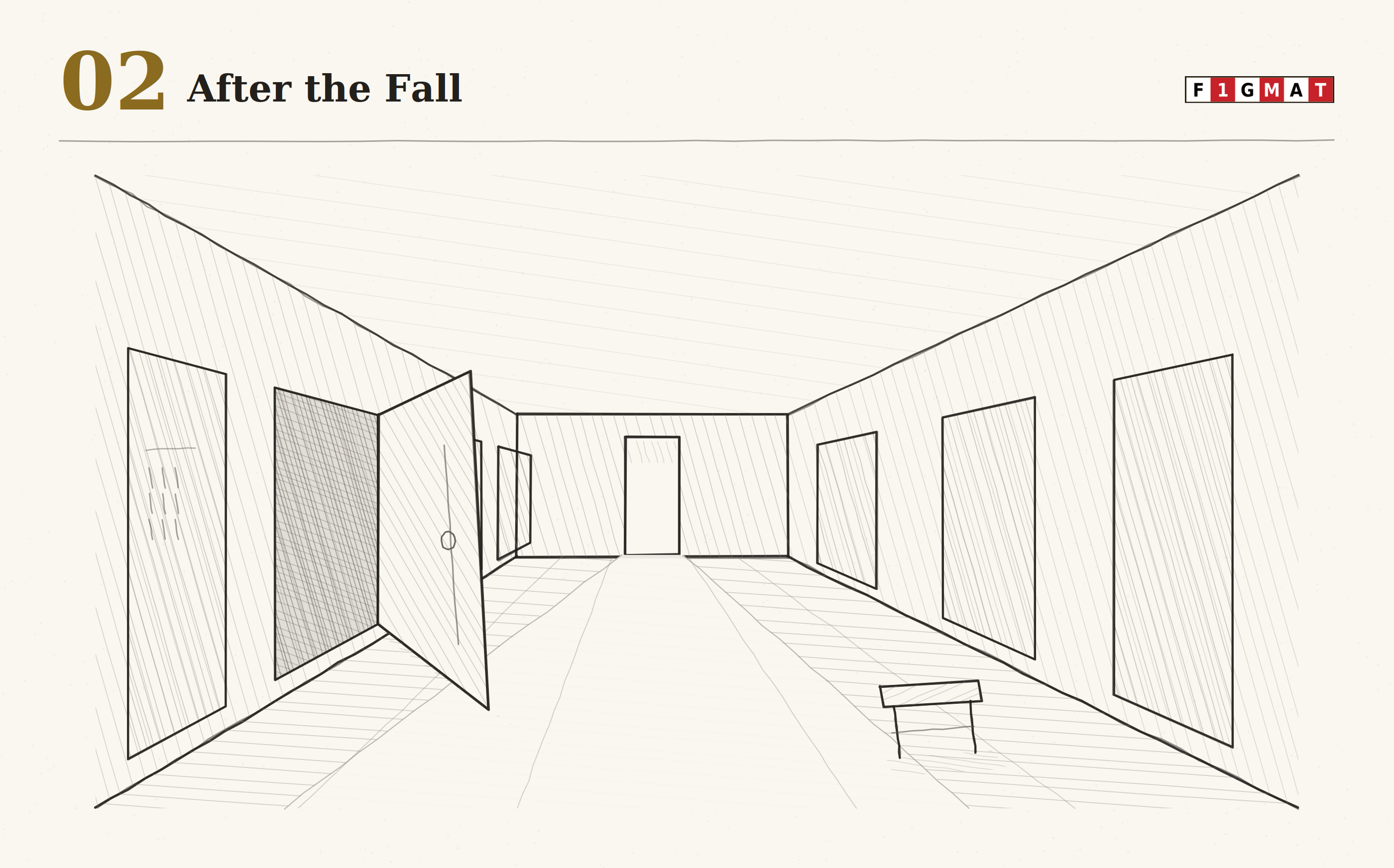
Moises Saman, contributing to The New Yorker, won Feature Photography in 2025[2] for black and white images made inside a Syrian prison after the fall of the government.
Captions in Absence Story
Walter Benjamin wrote an essay in 1931 called "Little History of Photography." In it, he asks a simple question.
Why do photographs need words under them, when paintings do not?
When Eugène Atget[3], a photographer in Paris, got up early and photographed empty streets, courtyards, staircases, doorways, and shop windows, he was not trying to make art.
He sold the prints to painters and stage designers who needed pictures of real places to copy.
Benjamin noticed what happens when you take the people out, just like a crime scene where what matters is evidence of 'life', and worse, 'violence'.
Atget's street became a piece of evidence.
When you frame a photo as evidence or an aftermath of an event, you draw the audience to the caption.
When you look at the empty street or a jailhouse, you feel uneasy.
You start hunting for a way into the story.
The admissions person will hunt even faster as she has volume goals to reach before that lunch break.
It does not matter whether the words point to the fact or even the right way to your story.
What matters is that the image now needs a story - a 50-word or even a shorter story.
The Caption is everything in such frames.
I have seen applicants struggle to choose an image. When I see that, I always suggest them to use the Absence as a Story theme with a memorable caption.
It is your interpretation of the 'absence'
Work and Expectations
Max Weber's argument in 'Die protestantische Ethik und der Geist des Kapitalismus' rests on Calvinist predestination[4] where salvation is settled in advance. The believer cannot check whether he will go to heaven or hell. Instead, he must follow an inner-worldly asceticism, a discipline of methodical labor.
Baldassare Castiglione, an Italian diplomat, courtier, and humanist author, defined sprezzatura as the art of concealing art so that action appears unstudied. The logic is interesting - a person who works hard at an outcome reveals that the outcome matters to him, and a courtier for whom the prince's favor visibly matters has admitted his dependence on the prince.
Ease of labor (invisible labor) signals that the stakes are low, and low stakes signal that the person's standing is already settled in society (high status).
Japan converted Gaman, a term that entered Japanese from Buddhist vocabulary for self-attachment, and redefined labor as patient endurance, where the stress of the effort must be absorbed without expression.
Hinduism philosophies effort as Dharma (duty) and severs outcome from labor.
Sikh with Kirat Karo, professes honest earning and service without record of who performed it.
Confucian characterizes effort as the greatest equalizer to attain status in society.
Christianity attaches divine characteristics to labor.
Across cultures, 'effort' or 'labor' is unanimously valued.
It is the expression of labor and expectations of the outcome from the labor that are interpreted differently.
That is why the 'invisible' effort is such a strong and enduring image idea across cultures.
Use it strategically.
2 Invisible effort Images and Captions in F1GMAT's Chicago Booth MBA Essay Guide
Distance Traveled
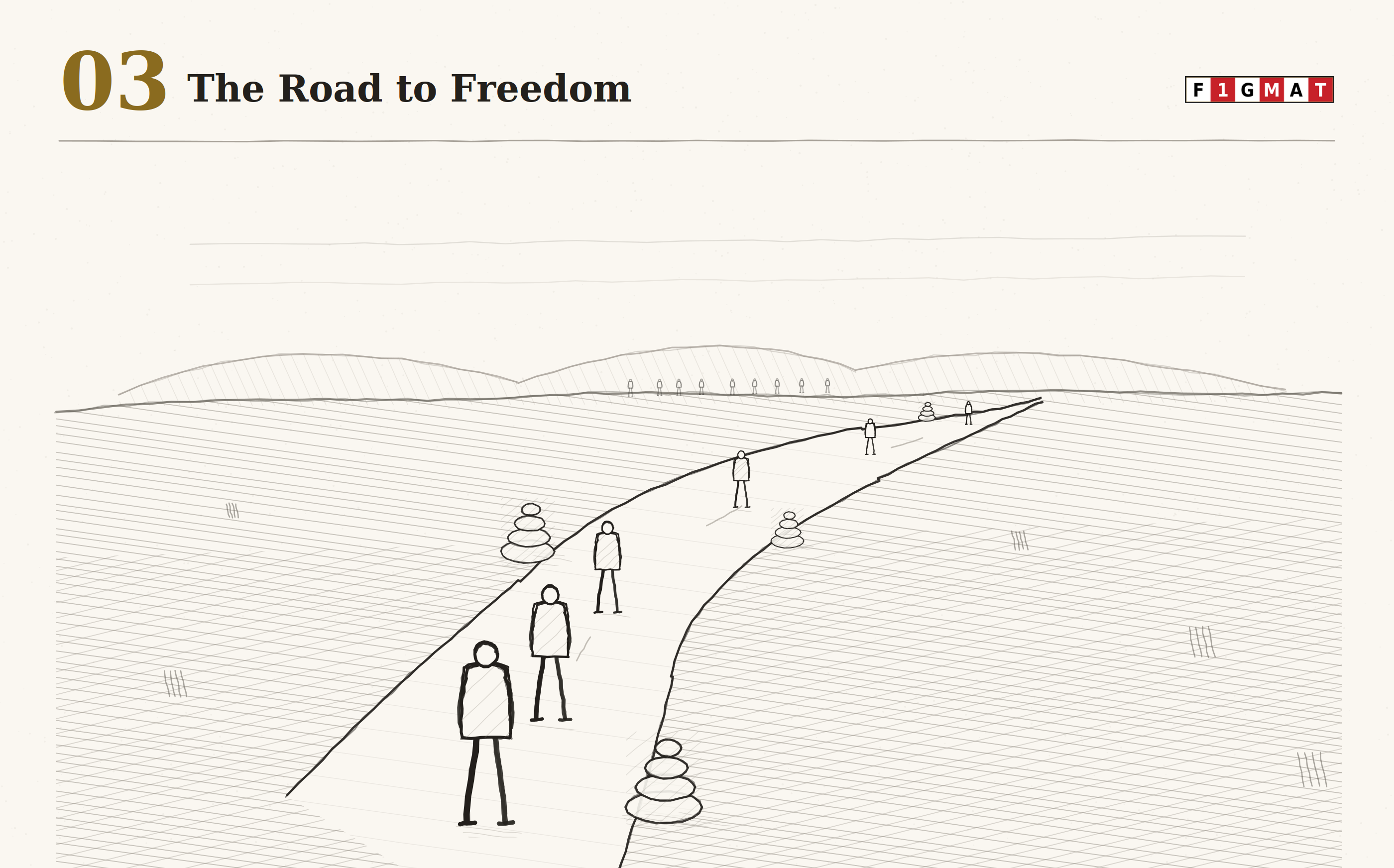
The Associated Press photography staff won Feature Photography in 2024 for photographs of masses of migrants on the journey north from Colombia to the United States border[5]
Distance Traveled – Symbolic Image
Unless you have a photo that encapsulates your journey as an immigrant from a war-torn country or your parents/grandparents’ arrival, distance traveled can be used as a symbolic theme to show the circumstances you overcame to achieve your goal.
Plato’s Cave
The physical movement from the darkness of the cave up into the sunlight represents the arduous cognitive distance traveled from ignorance to true knowledge.
If you are an avid mountain climber or interested in treks or cycling or any activity where sunlight falls on you at different times of the day, creating interesting shadows, use them symbolically to show how you persisted and found a passion outside work that keeps you rooted in nature.
You can use a poetic line like what I have created to share a life lesson about reflection - the past through shadows, and light as a metaphor for your future.
Patience and Persistence – Hobby Narrative
Laozi famously stated, "A journey of a thousand miles begins with a single step." Here, the distance travelled is an exercise in wu wei (effortless action), aligning oneself with the natural flow of the universe (The Dao).
For any hobby where it takes hours of concentration and thousands of steps (painting, model ships in a bottle, hand embroidery, lampworking, bonsai wired and pruned over years, copperplate calligraphy, a motorcycle/car engine restoration), the photograph has to show the work at the stage where the hours and effort are visible, and the caption should describe the ‘effort’.
'In the Midst of Effort' Images and Captions
Sustainability and Universal Themes
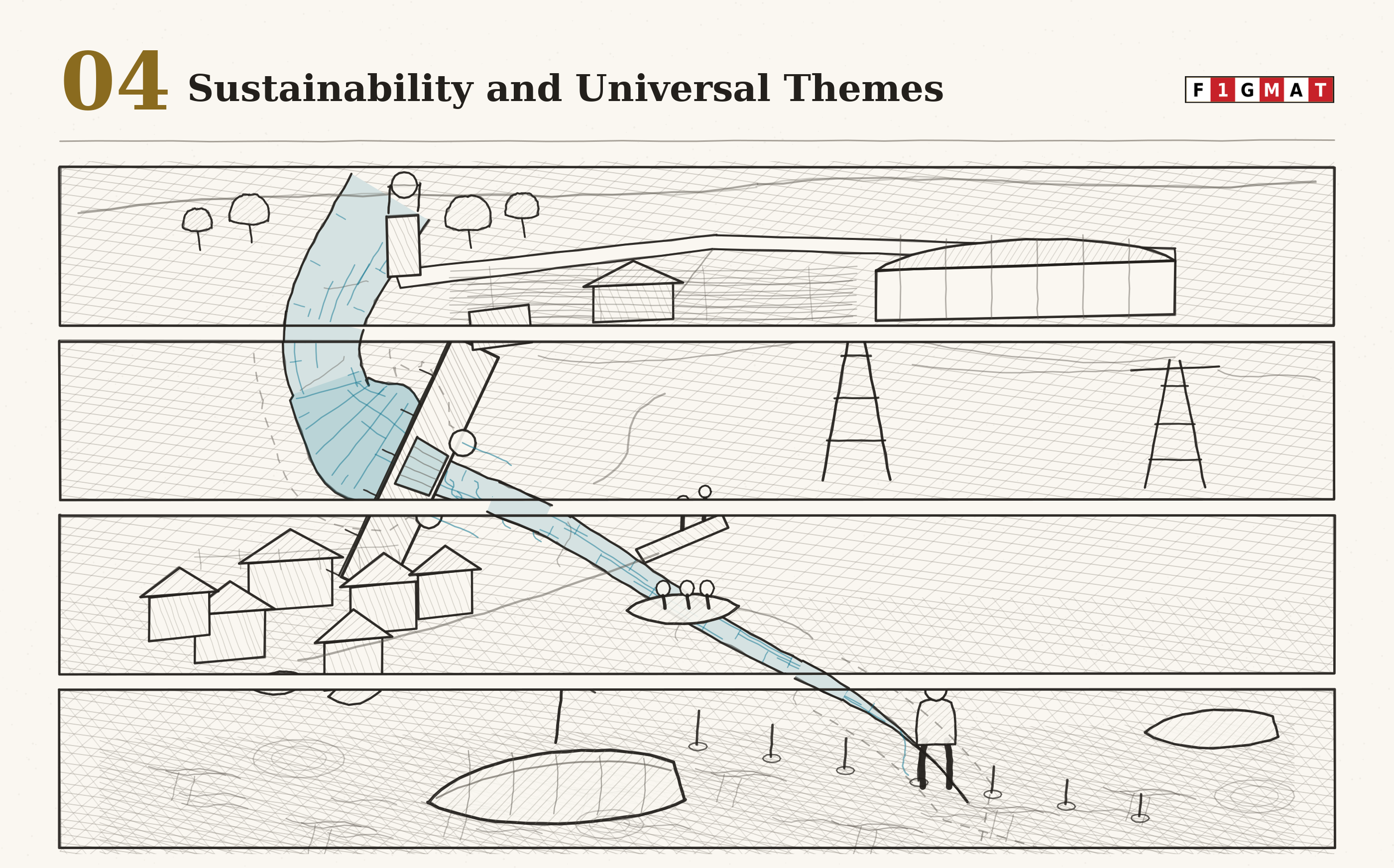
Anush Babajanyan, for VII Photo and the National Geographic Society, took the 2023 World Press Photo Long-Term Project Award for Battered Waters, on water management and its impact across Central Asia.
Universal Themes
Although there are a multitude of niche volunteering and extra-curricular activities, focus on issues that affect all of us.
Broadly, they can be categorized under:
a) Environmental Crises (Climate Change, Biodiversity Loss, Resource Depletion)
From the glaciers melting in Nepal to the heat waves in Europe, the AdCom has top-of-mind awareness of themes around climate change.
It is a strategically good choice to highlight these themes in the Booth Photo Essay and show your involvement.
b) Technological & Existential Threats (Artificial Intelligence Governance, Biosecurity and Pandemics, and Nuclear Proliferation)
Another top-of-mind awareness is around AI governance. With the risk of mass job displacement still lingering, with entry-level jobs disrupted, any photo that addresses the humanitarian risk of mass job displacement and migration for new jobs is worth highlighting.
c) Socioeconomic & Institutional Challenges (Economic Inequality, Global Health Disparities, Information Ecosystem Decay)
Economic inequality has niche volunteering examples.
Homelessness, urban slums for daily wagers, and limited access to healthcare for the uninsured are all extensions of the Economic inequality theme.
If you have experience in any of these themes, highlight what you did in the caption.
The outcome of your involvement should be captured in the image.
Water Conservation and Expanding Reach of Clean Water (Example)
Natural water conservation through restoring wetlands, capturing rainwater, and protecting natural springs are examples you should prioritize.
If your volunteering was in cities, the interventions are technological with advanced wastewater recycling and smarter water management two good choices for the image.
Water Conservation and Recycling as Themes from Chicago Booth MBA Essay Guide
Inequality as a Theme
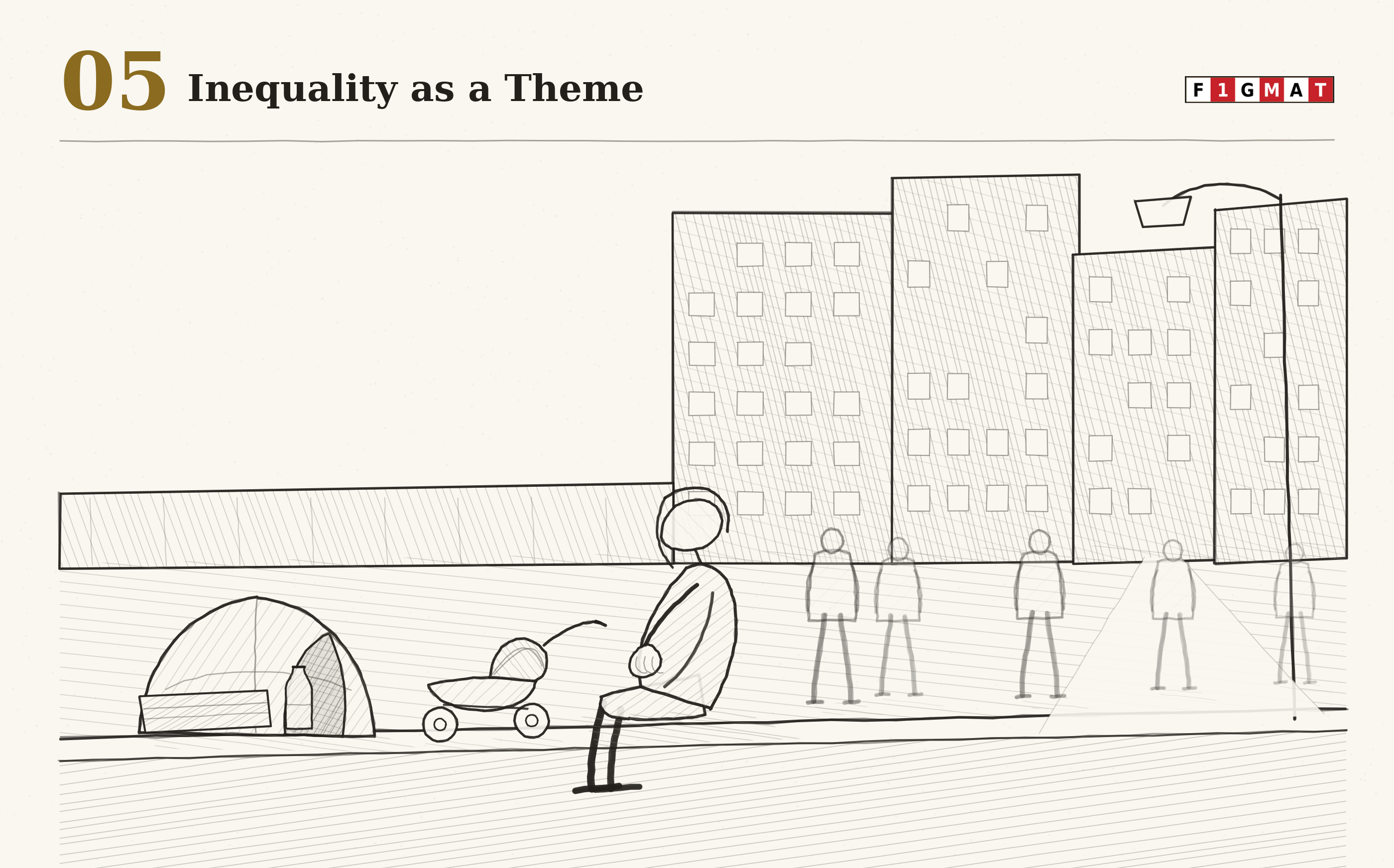
Christina House of the Los Angeles Times won Feature Photography in 2023 for an intimate account of a pregnant 22-year-old living on the street in a tent[6], images the jury described as showing her vulnerability as she tries and ultimately loses the struggle to raise her child.
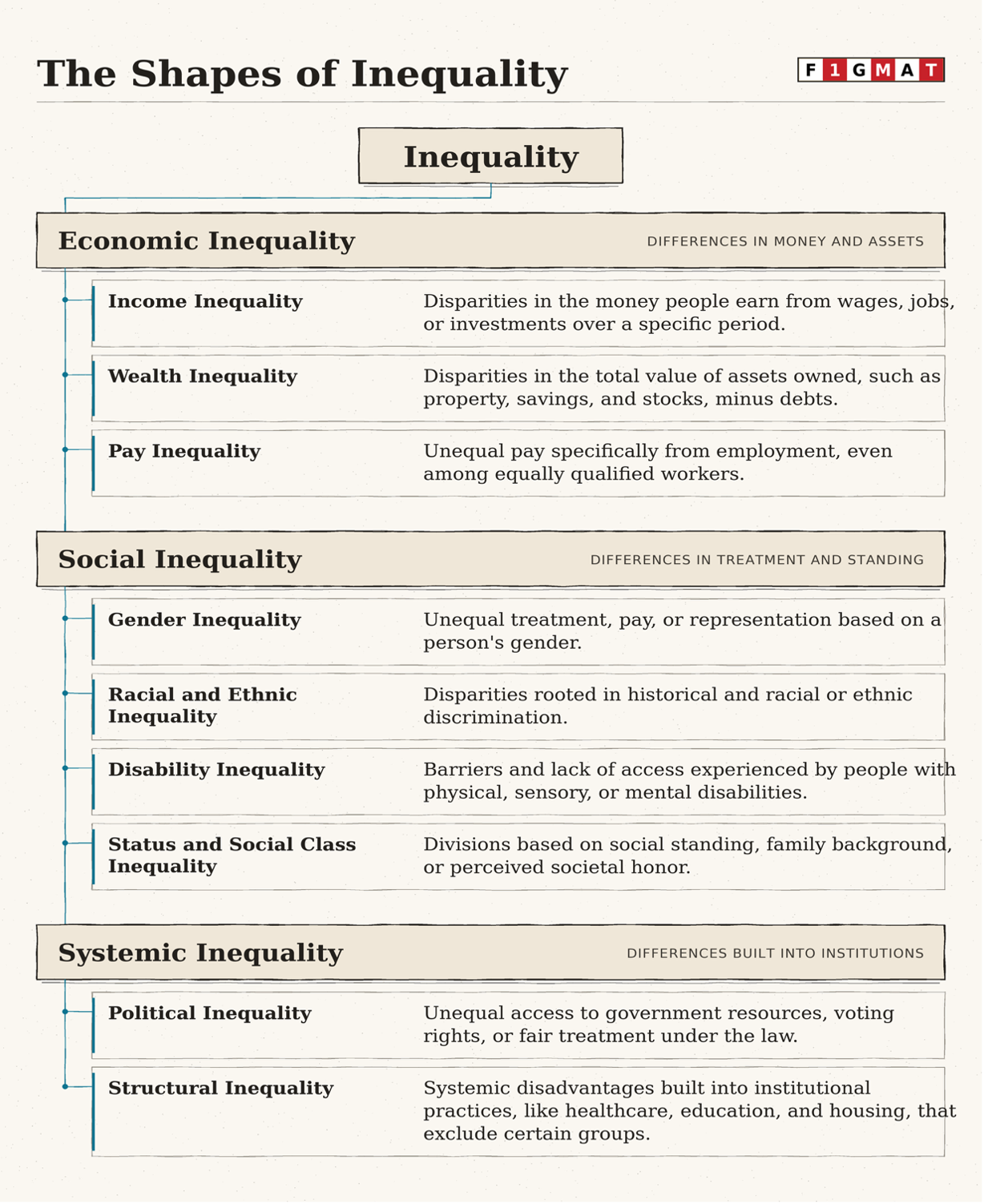
Types of Inequality
Although most volunteering and non-profit engagement are directed at improving the life of the marginalized, capturing the effort that an applicant put in can only be visible in a photo when the type of the ‘inequality’ is unambiguously visible. Broadly inequality are categorized into three buckets – Economic Inequality, Social Inequality, and Systemic Inequality.
See how to sensitively capture volunteering, which addresses inequality
Recovery and Return

Arthur Frank, a sociologist who studied illness memoirs, sorted them into three kinds.
The restitution narrative assumes the sick person will get well and return to the old life.
The chaos narrative offers no order and no return at all.
The quest narrative treats the illness as a passage that yields something the person could not have gotten otherwise.
In an MBA Application, the caption is a mix of restitution and quest narrative, showing a glimpse into how you see the return to old life; the new perspective you gained and how you interpreted the setback.
Physical Recovery
Instead of describing a physical trauma that ends with a life philosophy, you can incorporate the trauma and motivation behind an atypical volunteering engagement.
These are temporary disability narratives where a sudden volunteering for the Paralympics might not make sense if you are an able-bodied person.
Mental Health
Sometimes the cause is so well covered and known to the public, you don’t have to highlight the negative side effect; you just have to show the ‘why’. In this case, the applicant is highlighting the addictive nature of the App interface design. His contribution as an author is ironically presented with the image.
Spiritual Recovery
Sometimes spiritual recovery is not isolation or a religious retreat. You find spirituality by connecting with nature.
Habits and Discipline
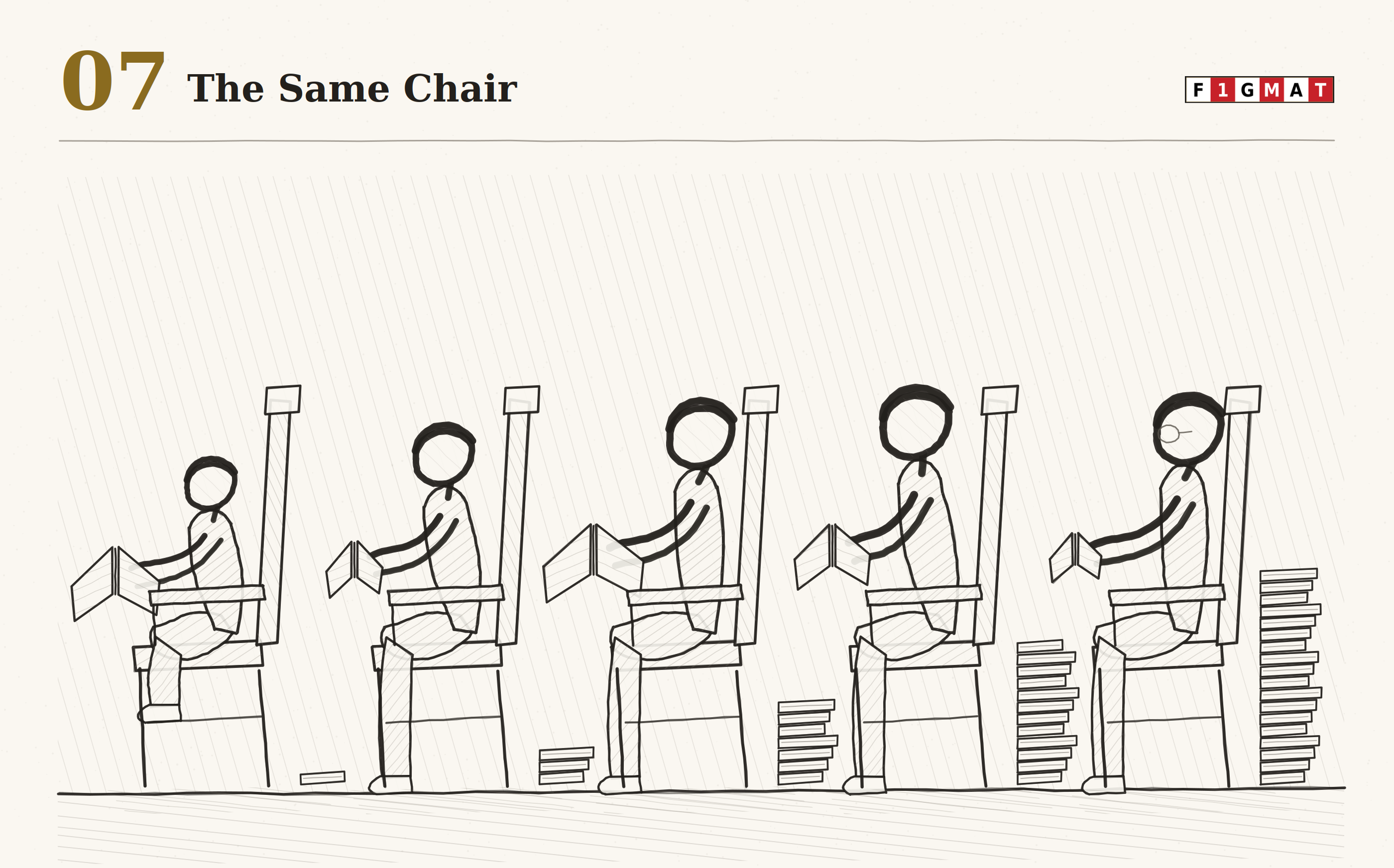
John Kaplan of Block Newspapers won in 1992 for photographs of seven 21-year-olds living very different lives, holding age constant and letting everything else vary[7].
As an applicant, you can reverse this concept and use the object – the chair, in this case as constant and keep the focus on you at different ages.
Fixed frame
The fixed frame works for any activity that requires showing up on a chair, swimming pool, or gym. Here, the caption is everything.
Without that – the image is just another image of a person in a cinematic pose.
Sports as a Tool to Combat Social Media
Sports as a Tool to manage Loss
Passion and Mastery
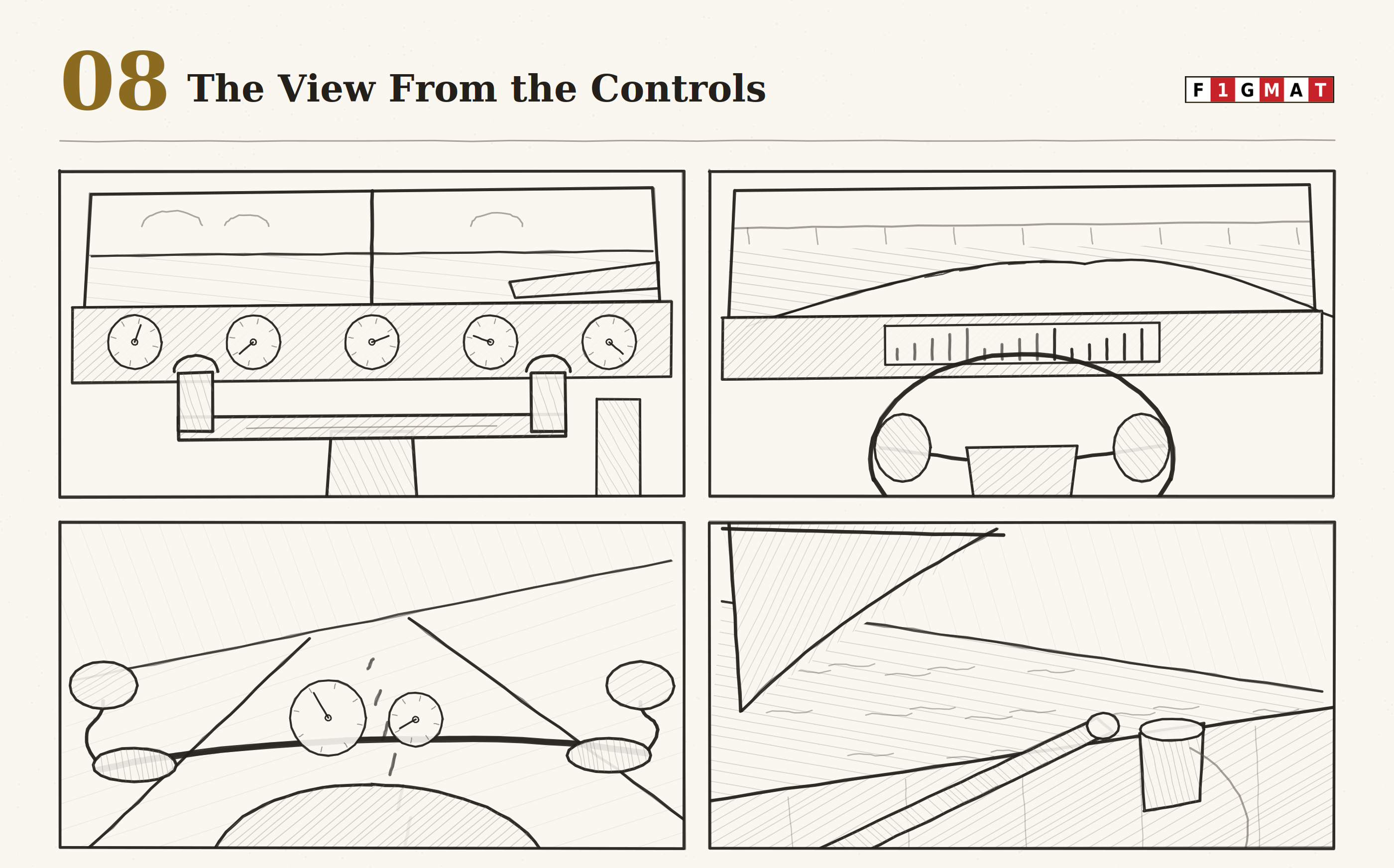
"The view from the controls" is a metaphor for your skills in observing and operating a machine, its intricate mechanics, and the risk the environment poses.
The symbolism is your expertise in working under stress with partial information.
The caption fails when the image is turned into a generic leadership line with no specific constraints, controls, decisions, or consequences mentioned with it.
Technology, AI and the future of work
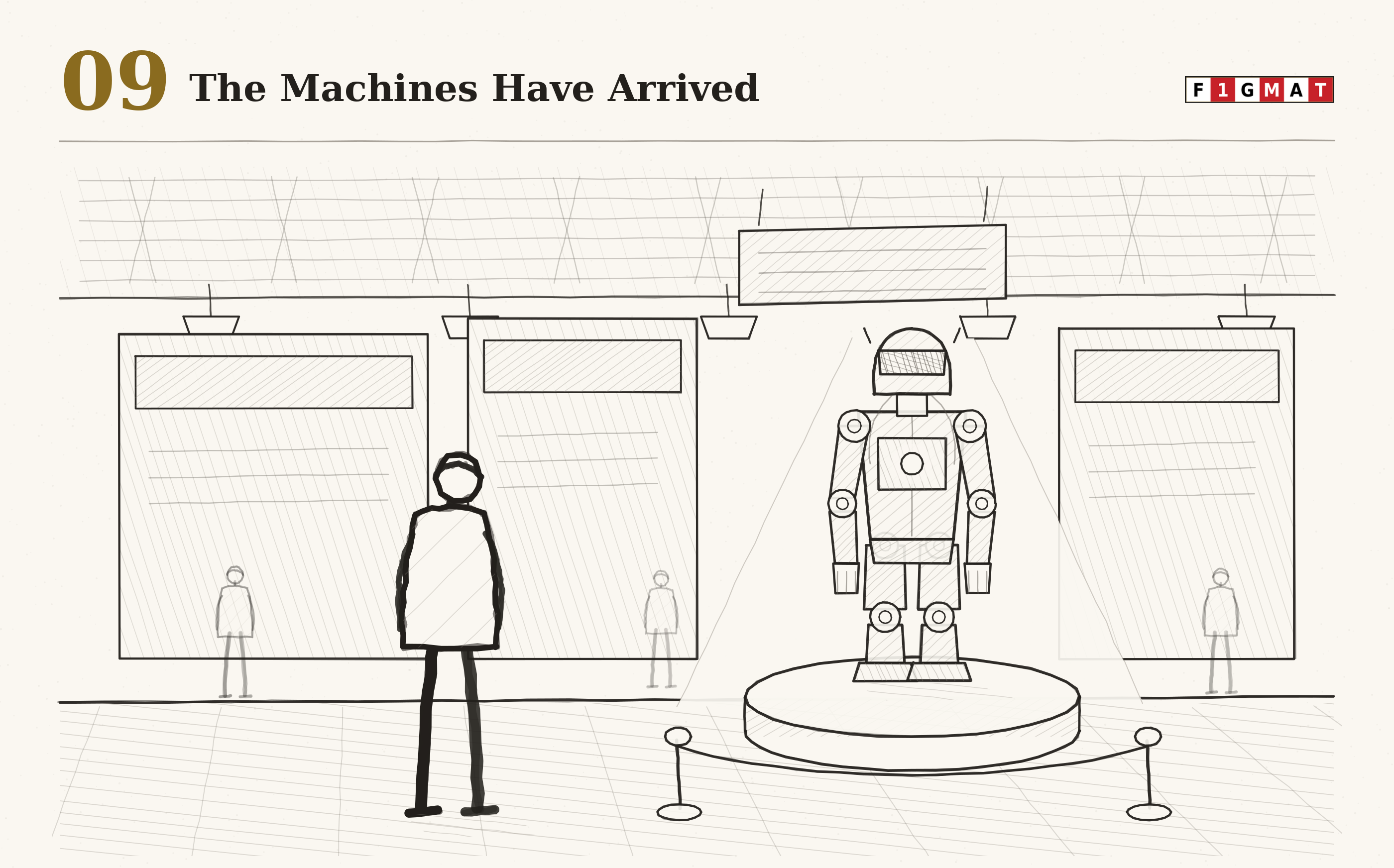
The Luddites smashed the power looms that replaced skilled weavers in the 1810s; on the night of April 24, 1907, New York's roughly 600 lamplighters left the city's 25,000 gaslights dark in a strike against the electric lamp that ended their nearly 500-year-old trade.
The resistance to agentic AI, software that plans and executes multi-step work on its own, follows the same logic.
Should you show passion for the automation or share caution through the image?
Booth runs its AI work through the Center for Applied Artificial Intelligence, launched in 2019. The center's distinctive position is that algorithmic bias almost always traces to a mislabelled objective or to training data that encodes past human choices. Even the biases that emerge after the fixes will also depend on human fallibility - their error in judgment. This position differs from the current AI-safety discourse, where all risks are evaluated from the model architecture's perspective.
Choose images that reiterate the Chicago Approach - evidence-first, question-the-assumption style. The image should show disciplined curiosity: a candidate who is excited enough to build with AI and rigorous enough to interrogate what it gets wrong.
Realistic Utility of Agentic AI (Image and Caption)
Relationships
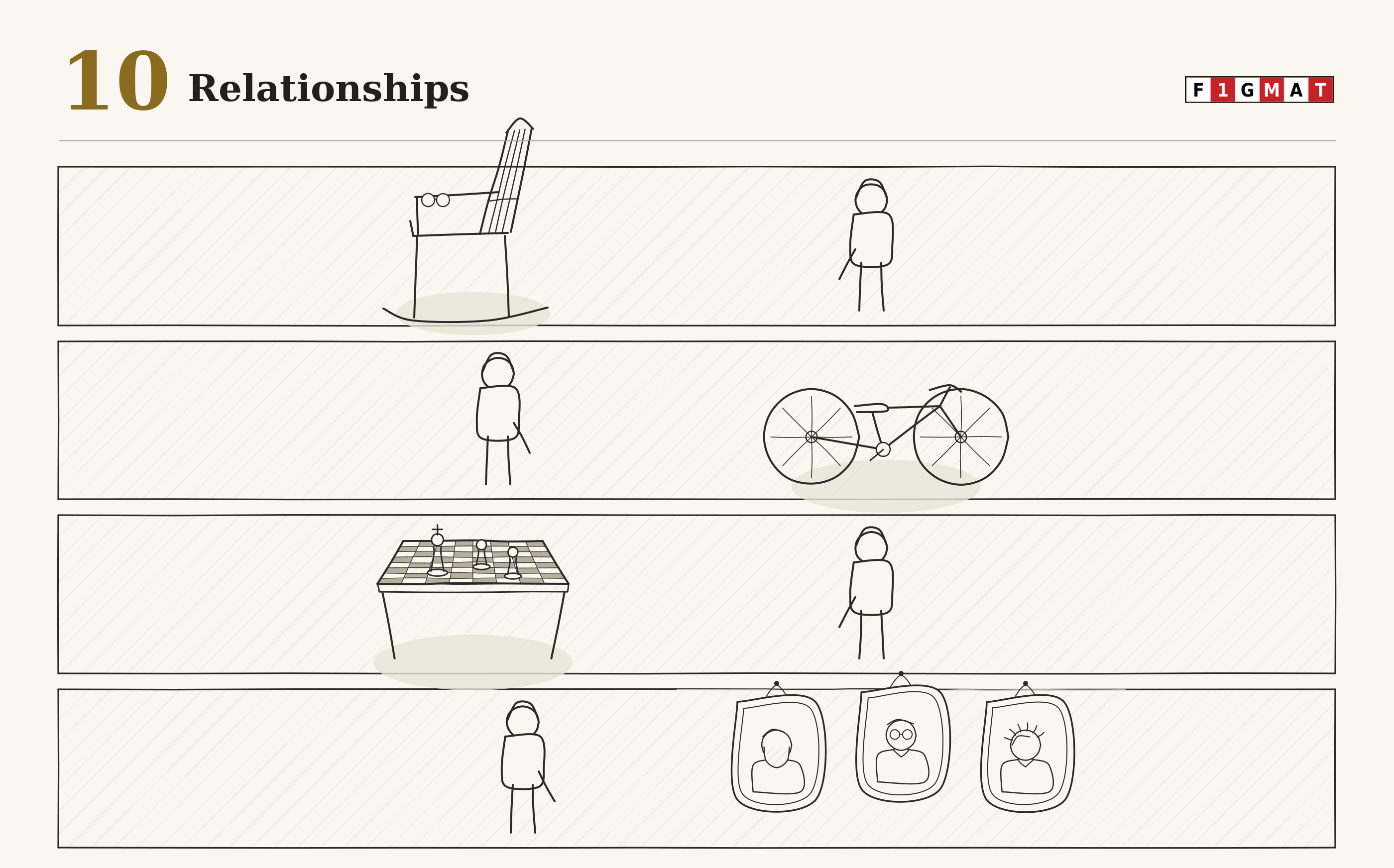
Our judgment and instincts are not our own. We inherit them from four relationships.
The first is the parent. Albert Bandura's social learning theory allocates a direct role to parents in a child's cognition and development. In a 1994 longitudinal study, Steinberg and colleagues found that authoritative parenting, a style combining involvement with consistent supervision, predicted higher academic competence and lower delinquency in adolescents than other parenting styles did. By correcting and supervising, a parent is transmitting a working temperament and not just ideas or concepts.
The second influence is grandparents. In their 2010 review in Behavioral and Brain Sciences, David Coall and Ralph Hertwig documented how grandparental investment influences verbal ability, mental health, and overall well-being. They act as a buffer for adversity and help children regulate their emotions.
The third and crucial role is played by adults outside parents who become our mentors. A 2011 meta-analysis by David DuBois, Jean Rhodes, and colleagues, covering 73 program evaluations, found a positive overall effect when the bond is strong between mentor and mentee; the mentored youth score about nine percentile points higher than peers without a mentor.
The fourth influence are thinkers a student reads.
Bandura's theory extends the same mechanism to figures never met in person through symbolic modeling, the acquisition of reasoning and values from models encountered in books and other media.
For the Booth image prompt in F1GMAT's Chicago Booth MBA Essay Guide, I have used these 4 influences.
- Music and Life Lesson
- Grandfather’s Rigorous Thinking
- Mentor’s Strategy
- Thinkers who Influenced You